Eco-Friendly Approaches: How E-Waste Recycling Services Are Preserving Our Planet
E-waste poses significant threats to the environment, as discarded electronics often contain toxic materials. Such dangerous compounds can pollute soil and water supplies, causing extensive damage to surrounding ecosystems. E-waste recycling initiatives provide a practical answer. They successfully retrieve useful resources while simultaneously minimizing environmental pollution. Gaining insight into how these programs function and affect local communities is critical. The journey towards effective e-waste management raises critical questions about individual responsibility and collective action. What measures can be pursued from this point onward?
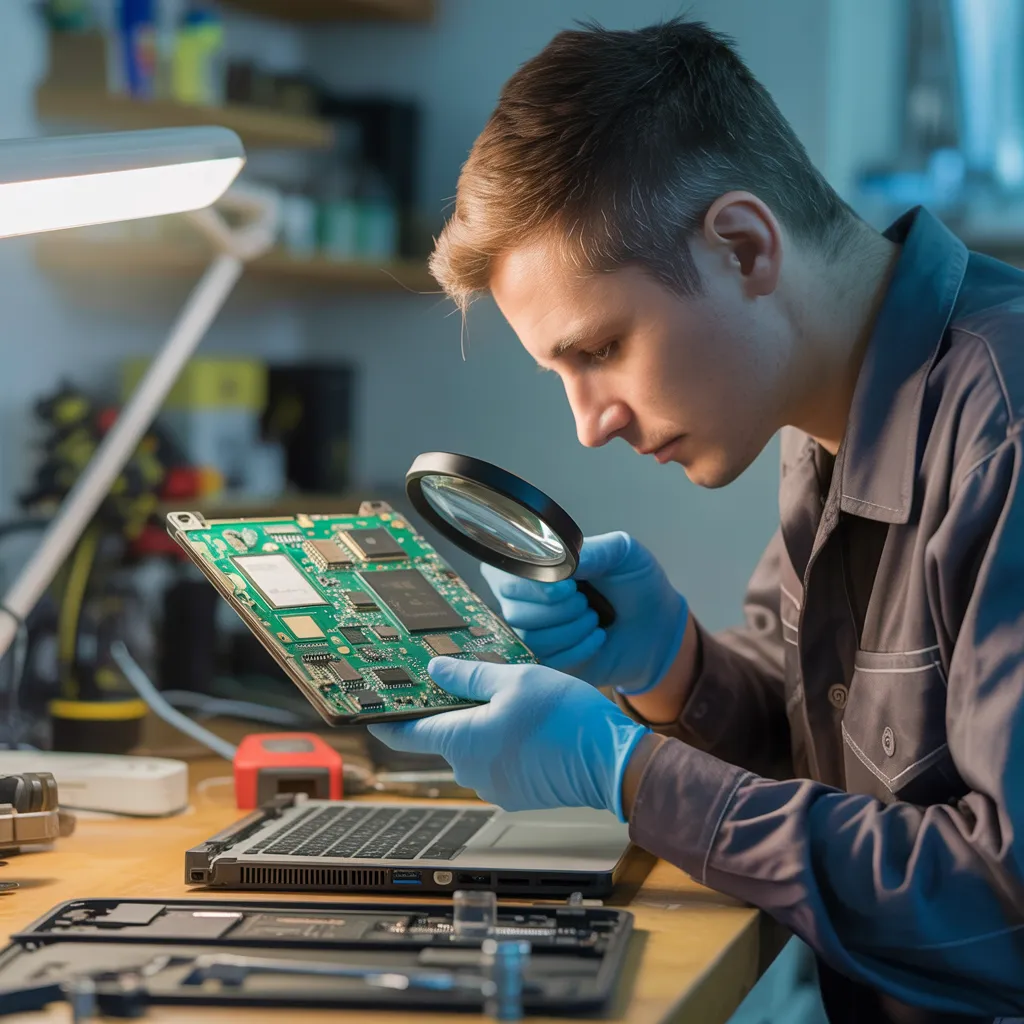
How E-Waste Is Hurting the Planet
Even though technological advancements improve our daily lives, e-waste poses considerable environmental hazards. Discarded electronic devices, often containing toxic substances including mercury, lead, and cadmium, are capable of seeping pollutants into the surrounding soil and water supply, posing risks to human health and ecosystems. The rapid pace of technological advancement results in increased consumer turnover of electronics, worsening the buildup of e-waste.
Landfills, already overwhelmed with refuse, find it difficult to handle the increasing amounts of discarded devices. Incineration, a common waste management technique, emits dangerous pollutants into the environment, degrading atmospheric conditions. In addition, improper recycling practices can lead to the exportation of e-waste to developing countries, where laborers may dismantle devices without adequate safety measures, exposing themselves to dangerous substances. This pattern of negligence and mismanagement highlights the critical demand for eco-friendly recycling alternatives that can reduce the damaging impact of electronic waste on the environment.
Understanding E-Waste and Its Significance
E-waste, also referred to as electronic waste, comprises discarded electronic devices like smartphones, computers, and televisions that have exceeded their operational lifespan. This growing category of waste is significant because of its swift buildup, propelled by advances in technology and evolving consumer behaviors. With an increasing number of devices reaching obsolescence, the ecological consequences become more pronounced, with harmful substances like lead, mercury, and cadmium presenting serious hazards to the environment and human well-being.
The significance of tackling e-waste extends beyond minimizing these risks to recognizing the valuable resources it holds. Critical metals and rare earth components can be reclaimed and recycled, decreasing the reliance on mining and protecting natural resources. Through a deeper awareness of e-waste and its consequences, both individuals and organizations can make well-informed choices regarding disposal and recycling, thereby supporting a more sustainable future. Proper management of e-waste is essential for fostering a circular economy and promoting environmental stewardship.
How E-Waste Recycling Works
The recycling of e-waste encompasses an organized procedure designed to recover valuable materials while limiting ecological damage. Initially, discarded electronics are retrieved and sent to specialized recycling facilities. Once there, the electronics are carefully categorized to isolate dangerous parts from recoverable materials.
Following this, technicians deconstruct the devices, separating glass, metals, and plastics. This step is critical, as it facilitates the recovery of high-value metals like copper, gold, and silver, which can be recycled in modern electronics.
Next, the separated materials are handled through sophisticated techniques, such as shredding and specialized chemical treatments, to prepare them for reuse.
In the final step, the leftover hazardous waste is handled with responsibility, following environmental regulations. This multi-step approach not only saves important resources but also minimizes the hazards linked to improper e-waste disposal, securing a more eco-conscious future for electronic device usage.
Benefits of E-Waste Recycling for You and Your Community
Though many people are unaware, the benefits of e-waste recycling go far beyond individual benefit and actively shape entire communities. By carefully processing electronic waste, individuals help foster a cleaner environment, reducing harmful substances that can seep into soil and water. This responsible method helps preserve local ecosystems and promotes public health.
In addition, e-waste recycling promotes workforce growth within communities. Nearby recycling establishments regularly need employees for diverse activities, including collection and processing, thus generating valuable job opportunities for local residents. This not only boosts the local economy but also fosters community involvement in eco-friendly practices.
Additionally, understanding of e-waste recycling can lead to educational initiatives, equipping residents to adopt eco-friendly choices. By taking part in e-waste recycling programs, individuals promote a culture of sustainability, motivating others to embrace similar practices. In summary, the cumulative impact of these actions can lead to a more sustainable and conscientious community.
How to Choose an E-Waste Recycling Service
Picking the most suitable electronic waste recycling provider is essential for guaranteeing that e-waste is processed responsibly and sustainably. Initially, people should verify the company's credentials, such as R2 and e-Stewards certifications, which indicate adherence to industry standards for secure waste disposal procedures. Additionally, it is advisable to evaluate the company's credibility by reviewing feedback and looking for recommendations from trusted sources.
Next, transparency in the recycling process is vital. A dependable service should provide clear information about how e-waste is processed and what becomes of the materials. Moreover, considering the scope of services provided can prove valuable; various firms may supply retrieval services or extend benefits for recycling.
In addition, familiarizing yourself with regional rules concerning e-waste disposal may further shape the decision-making process. By prioritizing these factors, individuals can contribute to efficient electronic waste handling while supporting environmentally responsible practices.
Ways You Can Participate in E-Waste Recycling?
Getting involved with e-waste recycling can start at the local level, where community recycling hubs regularly supply essential services for proper disposal. Furthermore, participating in community awareness campaigns can strengthen efforts to raise awareness about the importance of ethical e-waste practices. These initiatives not only promote sustainability but also cultivate a collective sense of accountability for the environment.
Regional Recycling Centers
Numerous community recycling facilities play an essential role in the recycling of e-waste, offering communities convenient opportunities to manage electronic waste appropriately. These centers accept a selection of electronic items, including used computers, handheld devices, and televisions, guaranteeing that dangerous substances are processed safely. Most stations have qualified professionals who can guide individuals on proper disposal methods, highlighting the value of recycling rather than landfilling. Moreover, several stations organize scheduled drop-off occasions or specific collection dates, allowing residents to take part with ease. By utilizing these local services, people help build a circular economy, lowering environmental harm and encouraging sustainable habits. Partnering with these facilities empowers communities to take action against e-waste pollution effectively.
Community Education Campaigns
Nearby organizations, schools, and enterprises can partner to arrange initiatives that encourage e-waste collection drives. Volunteers can play a pivotal role in promoting knowledge, handing out educational content, and interacting with the surrounding community. By means of these joint initiatives, local inhabitants gain greater awareness and encouragement to properly recycle their e-waste, ultimately contributing to a more sustainable future.
Frequently Asked Questions
What Types of Electronics Can Be Recycled?
Various electronics are able to be recycled, including computers, smartphones, televisions, laptops, gaming consoles, and printers. Additionally, accessories such as keyboards, mice, and batteries are also suitable for recycling, supporting environmental conservation efforts.
Are There Fees Involved With E-Waste Recycling?
Yes, electronic waste recycling can include fees, subject to the service provider. Some facilities impose charges for pickup or handling, while other facilities make services available at no charge, frequently supported by Check it out the resale of recovered materials.
How Do Businesses Gain From E-Waste Recycling?
Companies can take advantage of e-waste recycling by lowering disposal expenses, improving their green reputation, adhering to regulatory requirements, recovering valuable materials, and potentially generating revenue through resale, thereby fostering a more environmentally responsible business approach.
What Happens to Data on Recycled Devices?
Information regarding refurbished electronics is commonly permanently erased or destroyed during the refurbishment process. This confirms confidential data stays protected, stopping improper access while permitting materials to be repurposed securely and sustainably in new products.
Are Broken Electronics Eligible for Recycling?
Indeed, non-functioning electronics may be recycled. A wide range of recycling centers process broken devices, guaranteeing proper disposal and extraction of useful materials. Doing so helps lower environmental impact while encouraging sustainable recycling habits to manage electronic waste effectively.